How to waterproof brick walls before winter: a practical guide
- Posted on
- By Huchem UK
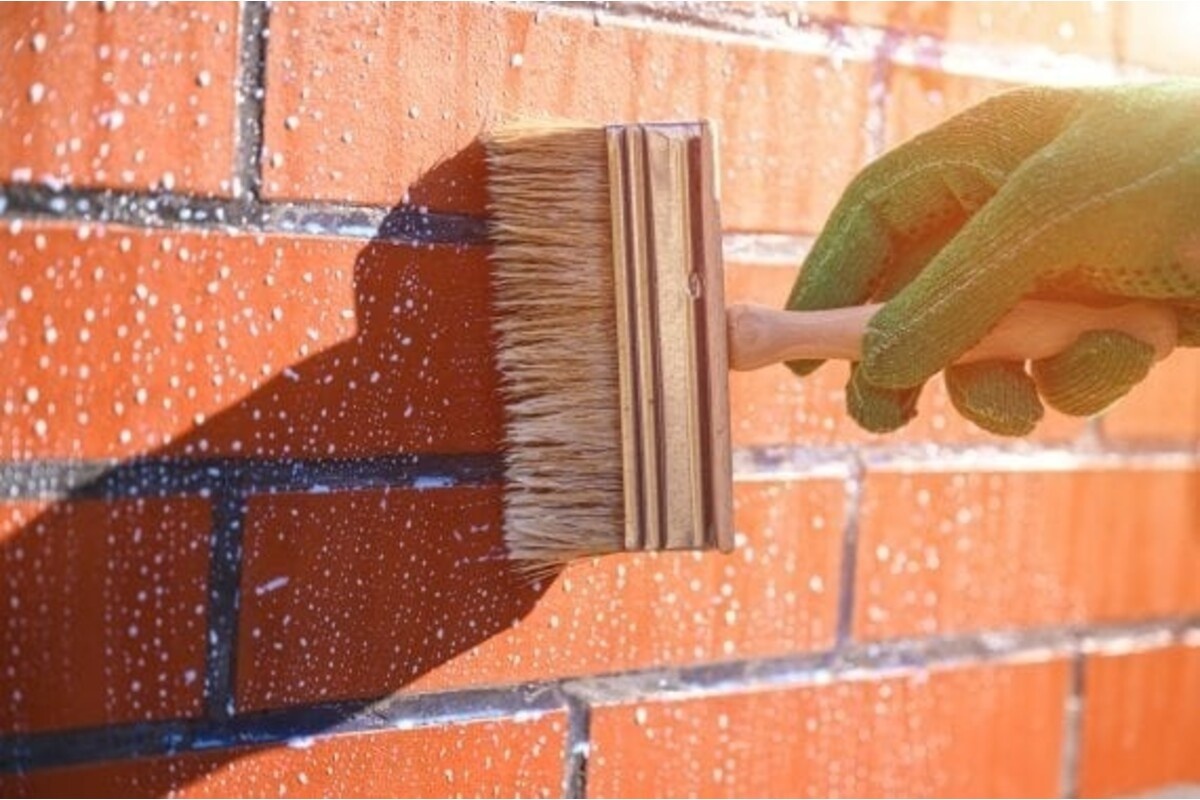
Learn how to waterproof brick walls before winter with a breathable, water-based impregnator: when to apply, how much you need and mistakes to avoid.
Why waterproof brick walls now, before the frosts arrive
If you are wondering how to waterproof brick walls before winter, timing matters more than most people think. With bands of heavy rain moving in from the Atlantic this week and the Met Office pointing to a changeable but mostly mild spell across the UK, many walls are soaking up a lot of water. Brick, mortar and concrete are porous. Once they are saturated, the first hard frosts can freeze that water inside the material. As it expands it can crack the face of a brick, loosen pointing and push off flakes of masonry, a problem known as spalling. A wet wall is also more prone to damp patches, green deposits and efflorescence.
A water-repellent impregnator protects the surface against driving rain without sealing the wall shut, and now, while temperatures are still well above 5°C, is a good time to apply it.
How a breathable impregnator works
Our Stone & Concrete Impregnator is a water-based impregnating agent based on siloxanes and silanes. It penetrates into the pores of brick, stone or concrete and makes them water repellent, so rain beads up and runs off instead of soaking in. Because it does not form a film or coating on the surface, the wall stays vapour permeable: moisture that is already inside can still dry out. The impregnator is solvent free and UV resistant, and it is suitable for brick walls and facades, concrete and aerated concrete, block paving, roof tiles, sandstone, render, marble and natural stone.
How to waterproof brick walls step by step
- Repair first. Replace cracked bricks and fill open or crumbling joints before you impregnate. New pointing and repairs need at least three days to dry.
- Clean the wall. Dirt, algae and efflorescence block the pores and stop the impregnator from penetrating evenly. Apply a wall and facade cleaner, leave it to act for about 15 minutes, scrub stubborn areas with a stiff brush and rinse thoroughly with plenty of water.
- Let it dry. The impregnator must go onto a clean, dry surface. After rain or cleaning, wait for a dry spell and pick a day with no rain in the forecast.
- Apply undiluted, from the bottom up. Shake the can, then apply the product neat with a low-pressure sprayer, a paint roller or a wide brush. On floors and paving you can flood the surface. Two coats applied wet on wet give the best result.
- Protect glass and paintwork. Wipe splashes off windows, frames and painted surfaces straight away.
Wear gloves and safety glasses while spraying, and read the safety data sheet, which you can download from the product page.
How much impregnator do you need?
Consumption depends heavily on how absorbent the surface is. On average, allow 0.2 to 0.5 litres per square metre. For typical brick, around 0.3 litres per m² is a good guide, so a 10 litre can covers roughly 33 m². Very porous materials such as aerated concrete sit at the top of that range, while marble and dense natural stone usually need a little less. Leftover product keeps well, so you can use it on a patio or keep it to re-treat the wall after one to two years, when far less is needed.
Common mistakes to avoid
- Leaving it too late. The impregnator should not be applied below 5°C. Once the frosts set in, the window closes until spring.
- Treating a damp or dirty wall. Water and dirt in the pores reduce penetration and leave patchy protection.
- Expecting it to cure every damp problem. An impregnator stops rain soaking in from the outside. It will not fix leaking gutters, broken downpipes or rising damp, so check those first.
- Skipping the second coat. A single thin coat on absorbent brick often leaves weak spots.
Products for this job
- Stone & Concrete Impregnator 10L (33m2) - Water-Based Facade & Masonry Sealer: for a house wall, garden wall or patio.
- Stone & Concrete Impregnator - Water-Based Facade Sealer - 1000L IBC: for contractors and large projects.
- Wall & Facade Cleaner 1000L (IBC): cleans the wall before you impregnate.
- Pressure Sprayer 8L - Budget Garden & Cleaning Sprayer - 3 bar: applies cleaner and impregnator evenly.
Protect your walls before winter
Clean, let the wall dry and apply two coats on a mild, dry day, and your brickwork is ready for the winter ahead. All products are available from stock in our webshop and are delivered to customers across the whole United Kingdom.