How to clean a heat pump coil before winter: a practical guide
- Posted on
- By Huchem UK
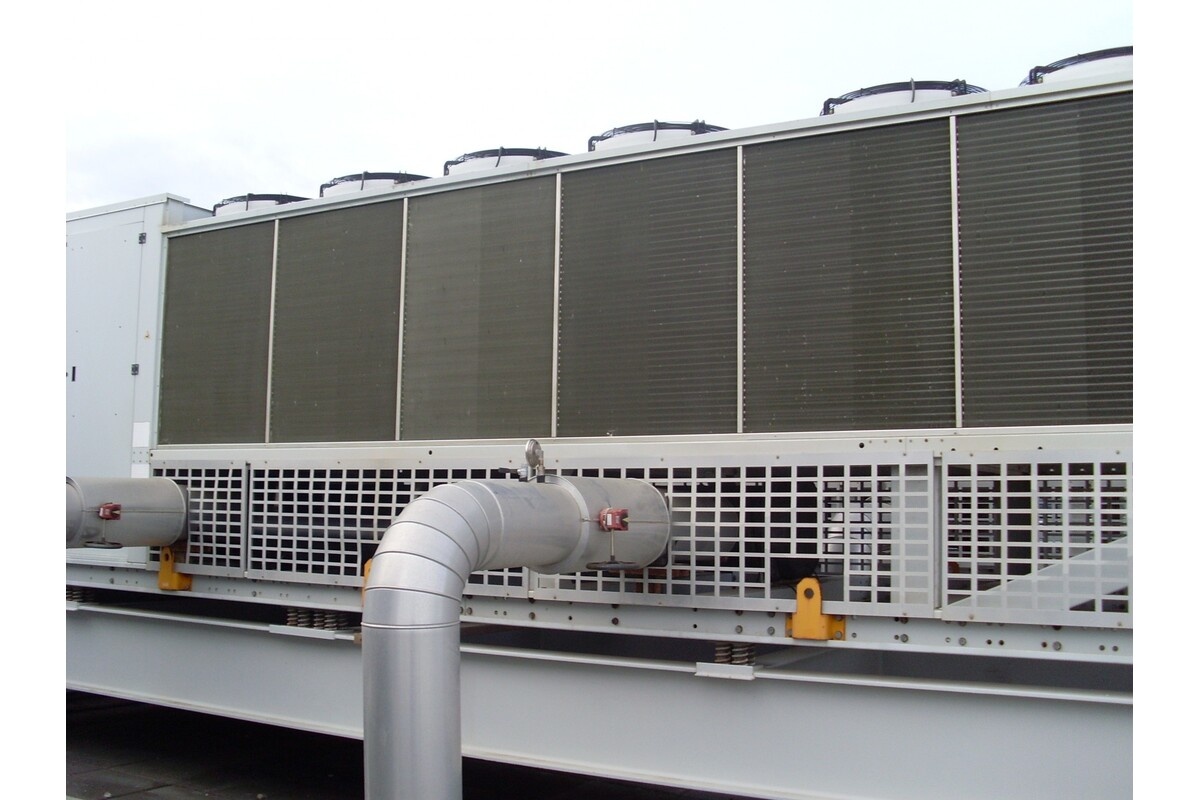
How to clean a heat pump coil safely before winter: dilution, application, rinsing and the mistakes to avoid, plus which coil cleaner suits which job best.
Why heat pump coils need attention now
With the Met Office forecasting a turn to cooler, wetter and more autumnal weather across the UK this week, many air source heat pumps are about to start working much harder. That makes this the right moment to look at one simple maintenance job that is often forgotten: knowing how to clean a heat pump coil properly. The outdoor unit pulls large volumes of air through a finned coil to collect heat. When those fins are covered in dust, pollen, leaves, cobwebs or a greasy film from traffic and nearby kitchens, less air passes through, the unit has to work harder and it can frost up more often in cold, damp conditions.
A clean coil helps the system reach its rated output and reduces strain on fans and compressors. The same applies to air conditioning condensers, dry coolers and air handling units.
Safety first: before you start
Always isolate the unit at its isolator switch and wait until the fans have stopped completely. Check the manufacturer's maintenance instructions first. Protect electrical components, terminal boxes and control boards from spray and water. Wear chemical resistant gloves and eye protection, and read the safety data sheet of the cleaner you use. Coil cleaning is a surface job only: anything involving the refrigerant circuit must be left to a suitably qualified F-gas engineer.
Start with a dry clean. Remove leaves, grass cuttings and other loose debris from around and underneath the unit, and keep the area around it clear as the manufacturer recommends. A soft brush, used in the direction of the fins, removes most surface fluff before you add any liquid.
How to clean a heat pump coil step by step
Mix a dedicated coil cleaner with water. A concentrated product such as Super Gigant Technical is diluted according to the level of soiling, typically between 1:10 for heavy, greasy deposits and 1:50 for light, routine cleaning. Apply the solution evenly over the whole coil face with a low pressure sprayer, working from top to bottom so every fin is wetted.
Leave the cleaner to work for a few minutes, but never let it dry on the coil. Then rinse thoroughly with plenty of clean water at low pressure and with a soft spray. Where the coil is accessible from both sides, rinse against the normal direction of airflow so the dirt is pushed out the way it came in, rather than deeper into the coil.
Once the water has drained away, check that the condensate drain is clear, restore power and confirm that the fans run normally.
Common mistakes to avoid
The most frequent mistake is using a pressure washer close to the coil. Aluminium fins are thin and bend easily, and flattened fins block airflow just as effectively as dirt does. A fin comb can straighten bent fins. The second mistake is reaching for a general household cleaner or an aggressive acid or caustic product. These can leave residues or attack aluminium and copper. A purpose made, solvent free coil cleaner that is suitable for aluminium, copper and plastics is the safer choice.
Finally, do not wait until the coil is visibly blocked. Many installers and facilities teams clean outdoor coils at least once a year, ideally in autumn before the heating season and again in spring for systems that also provide cooling. Units near trees, roads or kitchen extracts may need it more often.
Which product for which job?
For homeowners, installers and service engineers who clean a handful of units, a 10 litre can of coil cleaner is easy to carry between sites and lasts a long time thanks to its high dilution rate. Facilities management companies, refrigeration contractors and large sites with many condensers, evaporators and air handling units usually choose the 1000 litre IBC, which can be decanted into smaller containers or used with foam and cleaning units. As it is solvent free and odourless, it is also suitable for cold rooms and food areas.
Products for this job
- Coil Cleaner 10L, Super Gigant Technical: concentrated coil cleaner for heat pumps, air conditioning, evaporators and condensers.
- Coil Cleaner Super Gigant T, 1000L IBC: the same technical cleaner for high volume users and service contracts.
- Pressure Sprayer 5L: low pressure sprayer for applying diluted coil cleaner evenly.
- Blue Nitrile Gloves, 5 mil, box of 100: hand protection while mixing and applying cleaning products.
A clean coil is one of the simplest ways to help a heat pump or air conditioning unit run efficiently through the colder months. All products mentioned here are available from stock in our webshop and are delivered across the whole UK. Order your coil cleaner now, so your units are ready before the first hard frost.