Rust remover: how to remove rust from metal and stop it coming back
- Posted on
- By Huchem UK
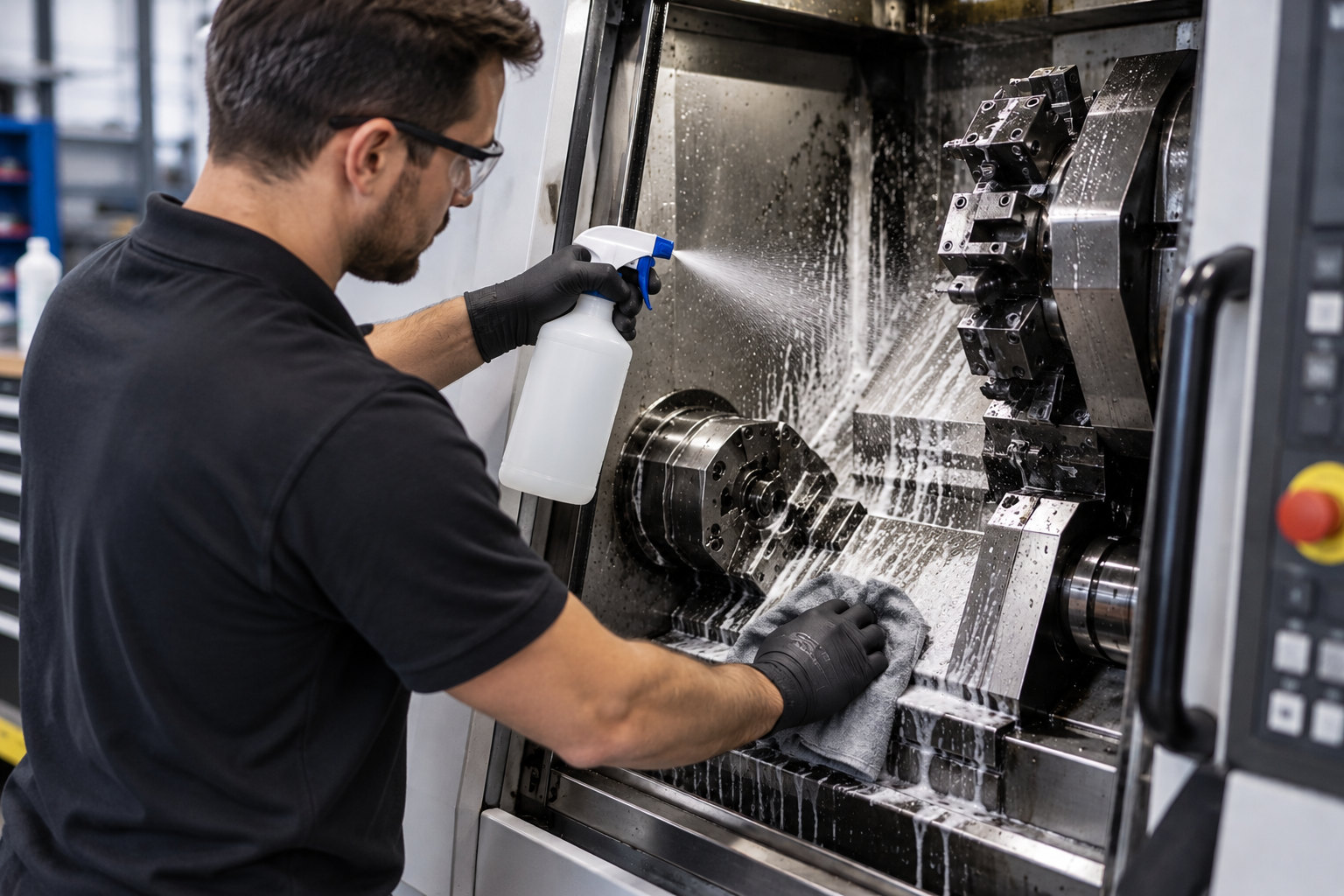
Rust on metal is removed in three steps: remove loose rust, apply the product and let it work, then rinse. What remains is a stable phosphate layer that protects the metal and is ready for primer or paint. The Huchem rust remover does both stages in one product, without hydrochloric acid and without an extra sanding step.
Rust on metal is removed in three steps: remove loose rust, apply the product and let it work, then rinse the surface. What remains is a stable phosphate layer that protects the metal and is immediately ready for primer or paint. The Huchem rust remover combines both stages in one product, without hydrochloric acid and without an extra sanding step.
What is rust and why act quickly?
Rust is a chemical reaction that occurs when iron or steel comes into contact with oxygen and moisture. This process, oxidation, damages the metal and can eventually affect its structural integrity. In other words, rust you ignore today becomes a bigger and more expensive problem tomorrow. Corrosion reduces the thickness of a steel structure and with it the load bearing capacity. That matters on major infrastructure, but just as much on forklifts, trailers, machinery and steel structures in your own business. Prevention is always smarter than replacement.
Rust remover or rust converter?
The two terms are often used interchangeably but describe two different mechanisms. A rust remover dissolves rust chemically and removes it completely from the surface. A rust converter does not dissolve the rust but reacts with it: it converts iron oxide into iron phosphate, a stable, well bonded layer that can act as a primer.
The Huchem rust remover works in two consecutive phases. First, organic acids and surfactants dissolve loose and flaking rust. Then the active ingredients convert the remaining adhering rust into a protective phosphate layer. This layer seals the metal from oxygen and moisture and prevents new rust from forming, as long as the layer stays intact and is then overcoated with a primer or paint. This two phase mechanism saves a separate sanding step and leaves the surface ready for the next treatment.
How to use it
- Preparation: remove loose rust, grease and oil mechanically or with a degreaser. The product works best at an ambient temperature of at least 10 °C.
- Application: apply undiluted with a sprayer or brush, or fully immerse loose parts for maximum effect. Diluting is not necessary and reduces performance.
- Contact time: allow 15 to 30 minutes on normal rust. Heavy or thick rust may need a second treatment or a longer contact time of up to 60 minutes. The surface turns an even greyish colour when the phosphate layer has formed.
- Rinse and finish: rinse thoroughly with water and allow to dry completely. Apply a primer, paint or coating within 24 hours to protect the phosphate layer and make the result last.
The immersion method gives the best results on loose parts. A brush or sprayer is ideal for structures you treat in place.
Why organic acids instead of hydrochloric acid?
Many aggressive rust products are based on hydrochloric acid. It is effective, but it brings risks for the metal, the user and the environment. The Huchem rust remover deliberately takes a different approach: no hydrochloric acid, which makes for a safer working environment, and surfactants that are biodegradable in accordance with the EU Detergents Regulation (EC 648/2004). That makes it suitable for companies with strict environmental or safety requirements on the shop floor.
Which sectors?
Transport, workshop maintenance, mechanical engineering and metal fabrication, but also agriculture, garages, contractors and logistics providers. It is a product you simply want to have in stock.
Conclusion: treating is cheaper than replacing
The longer rust is left untreated, the deeper it eats in and the more metal thickness is lost. A surface rust spot you treat in 30 minutes today can be a part that has to be replaced tomorrow, including downtime and fitting costs. Our rust and limescale removers tackle it in one operation: dissolve the rust, form a phosphate layer, overcoat. Find them in our Descalers & Rust Removers range.