How to remove efflorescence from brick walls and facades
- Posted on
- By Huchem UK
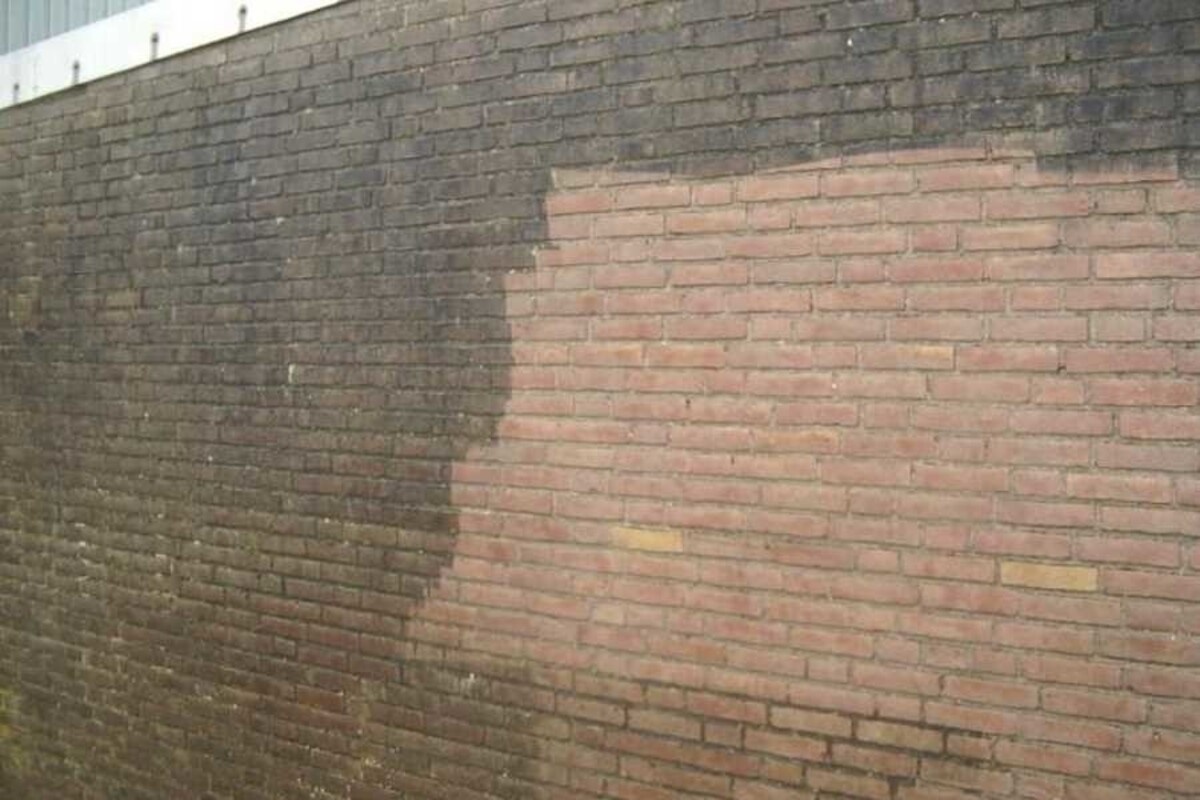
White bloom or grime on your brickwork? Learn how to remove efflorescence from brick safely, find the cause, avoid common mistakes and protect it afterwards.
White marks on your brickwork? Here is why they appear now
If you want to know how to remove efflorescence from brick, autumn is the season when the question comes up most. With bands of Atlantic rain forecast across the UK over the coming fortnight, walls take on a lot of water, and as they dry out between showers, white powdery deposits appear on the surface. On older facades this is often combined with a grey film of traffic dust, soot and general grime. Both can be cleaned properly, as long as you understand what you are dealing with and use the right method.
Efflorescence is made up of soluble salts from the brick, the mortar or the ground. Rainwater dissolves these salts and carries them to the surface. When the water evaporates, the salts stay behind as a white bloom. It is most common on new brickwork, after long wet spells and below leaking gutters, downpipes or damaged copings. Heavy or recurring deposits are a sign that too much water is getting into the wall.
Find the cause before you clean
Cleaning removes the deposit, not the moisture behind it. Before you start, check gutters, downpipes, window sills, copings and pointing for leaks or cracks. Soil or paving piled against the wall will also keep the lower courses wet. If the source of water is not dealt with, the salts will keep coming back. New brickwork usually stops blooming by itself once it has fully dried out, which can take a season or more.
How to remove efflorescence from brick step by step
Start dry. Light efflorescence can often be brushed off with a stiff, dry brush on a dry day, without any product at all. Do not hose it down first, because water simply dissolves the salts and draws them back into the brick.
For heavier deposits, or when the facade is also dirty with dust and soot, use a dedicated wall and facade cleaner. Our Wall & Facade Cleaner is suitable for brick, clinker pavers and concrete blocks and removes dirt, fine dust, soot particles, cement haze and efflorescence. A practical routine:
- Test the cleaner on a small, inconspicuous area first and check the result once it is dry.
- Rinse loose dirt off and wet the wall thoroughly with clean water, so the cleaner works on the surface rather than soaking deep into the brick.
- Apply the cleaner with a low-pressure sprayer, working from the bottom upwards to avoid streaks running over dry, dirty brickwork.
- Leave it to act for about 15 minutes and scrub stubborn areas with a stiff brush. Do not let the product dry on the surface.
- Rinse thoroughly from the top down with plenty of water, using a garden hose or a pressure washer on a moderate setting.
Safety and mistakes to avoid
Wall & Facade Cleaner is an acidic product, so always read the safety data sheet before use. Wear chemical resistant gloves and eye protection, and keep the product away from glass, painted frames, aluminium, natural limestone and marble. Cover plants at the foot of the wall and rinse any splashes immediately.
Common mistakes include using a high pressure jet too close to soft brick or old mortar joints, which can damage the surface and open it up to more water; cleaning in frost or strong sun; and applying too much water while the salts are still present.
Protect the wall once it is clean and dry
Once the facade is clean, a water-repellent impregnator helps to keep rain out of the brick, which means fewer salts are carried to the surface and dirt sticks less easily. A water-based impregnator based on silanes and siloxanes stays vapour permeable, so the wall can still breathe. Apply it only to a clean, fully dry wall, at temperatures above 5°C, and allow fresh pointing or repairs at least three days to dry. In autumn, pick a dry, mild spell or plan it for spring.
Products for this job
- Wall & Facade Cleaner 1000L IBC: removes dirt, soot, cement haze and efflorescence from brick and concrete.
- Pressure Sprayer 5L: for even, controlled application on walls. Its seals wear faster with acidic products, so rinse it with clean water after every use.
- Stone & Concrete Impregnator 10L: water-based, breathable water repellent for brick, concrete and render.
- Cement Film Remover (Cement Extra): for heavy cement film, stubborn efflorescence and rust marks on acid-resistant surfaces.
A wall that sheds water well suffers less from salts, dirt and frost damage over the winter. All products mentioned are available from stock in our webshop and are delivered across the whole of the UK, so you can tackle efflorescence and facade dirt as soon as the weather gives you a dry window.