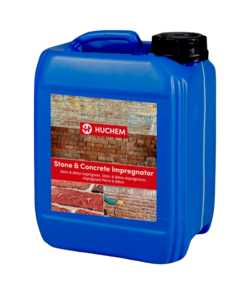
Stone & Concrete Impregnator | Facade | Water Repellent | 10L (33m²)
Water-based siloxane and silane impregnation for exterior walls, facades, concrete floors, roof tiles, and natural stone. Provides deep penetration, water-repellent protection, UV resistance, solvent-free formula, and remains vapor-permeable.
Documentation
Specifications
| Article number: | OP-4038-10 |
| EAN: | 8720297257179 |
| Dimensions: | 9 x 8 x 12 inch |
| Weight: | 10 pounds |
No reviews found
Read or write a review
The benefits
| Highly water-repellent | |
| Breathable | |
| Resistant to UV radiation | |
| Easy to apply |
Information
Huchem Stone & Concrete Impregnator is a water-based impregnating agent based on siloxanes and silanes. Being water-based means no harmful solvents are used, making the product safe and easy to apply. It is also UV-resistant and breathable.
What can you impregnate with it?
The impregnator can be used on a variety of stone and ceramic materials, such as:
- Brick walls and facades
- Concrete & aerated concrete
- Decorative paving
- Roof tiles
- Sandstone
- Masonry and plasterwork
- Marble & natural stone
How to apply the impregnator
Before you begin: do not apply at temperatures below 5°C. Repair any damage to the facade or wall first. Joints and repair areas should dry for at least 3 days. Ensure the wall, facade, or floor is clean before application. You can clean it first with Huchem Wall & Facade Cleaner or scrubbing solution if necessary.
Application
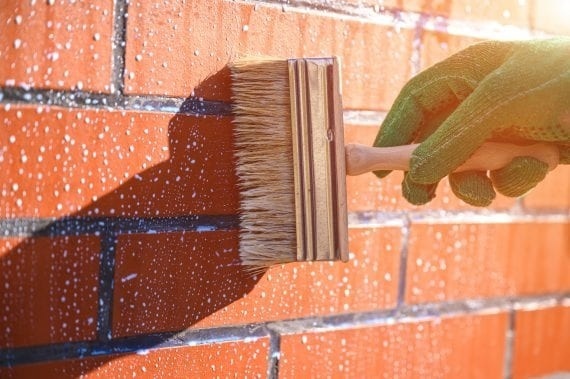
Shake well before use. Apply the impregnator undiluted on a clean, dry surface using a pressure sprayer, by pouring (for floors), with a paint roller, or a wide brush. Work from bottom to top. Applying 2 “wet-on-wet” coats gives the best result. Remove any splashes on paintwork or windows as soon as possible.
How much do you need?
The amount needed per square meter varies depending on the surface. On average, consumption is 0.2 to 0.5 liters per m². For highly porous and absorbent surfaces, such as (aerated) concrete, use the higher end. For brick, about 0.3 liters per m² is typical, but this depends on the type. For marble and natural stone, usually less is required. It’s better to have a little extra than too little.
What to do with leftover impregnator
You can easily store leftover Stone & Concrete Impregnator and use it for maintenance 1–2 years later. The surface will absorb less because it has already been treated, so you’ll need less. You can also use the remainder to treat driveways or patio tiles, helping prevent dirt and green algae growth.
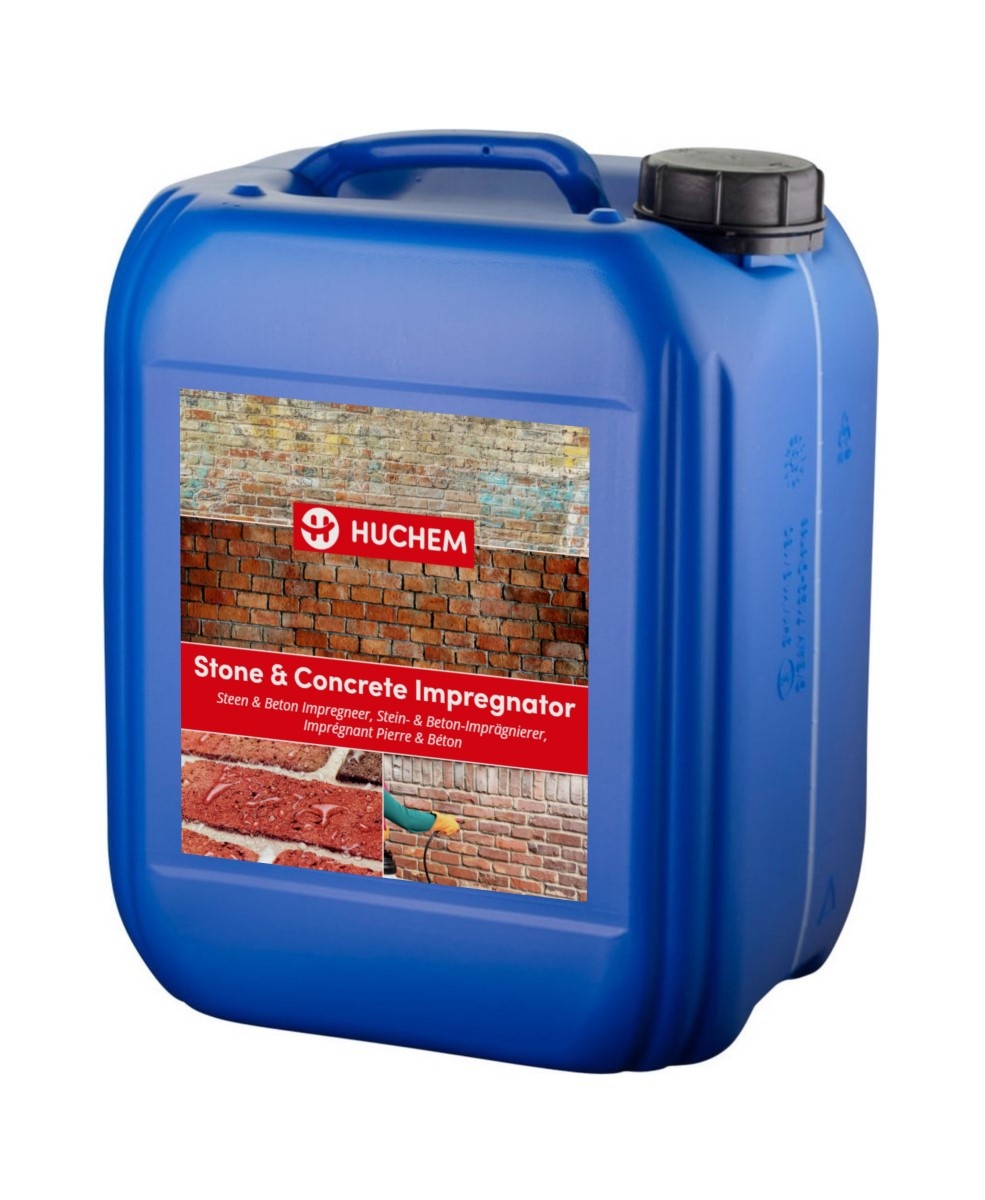
Note: The packaging shown in the image may differ from the delivered product. The blue can is often supplied as transparent in practice.